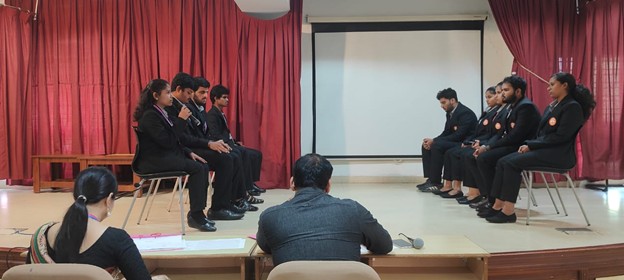
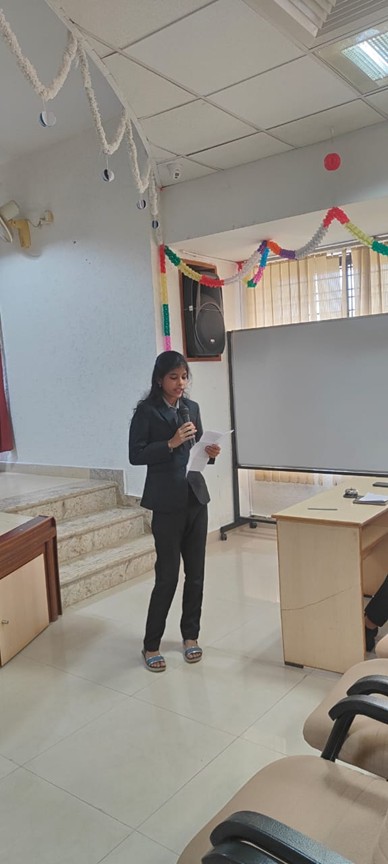
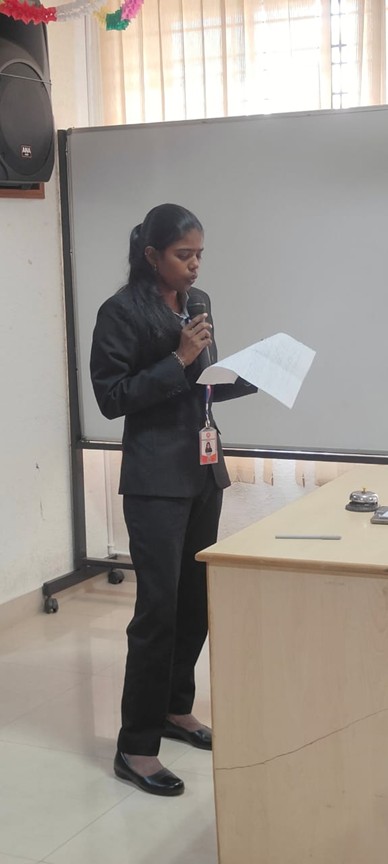
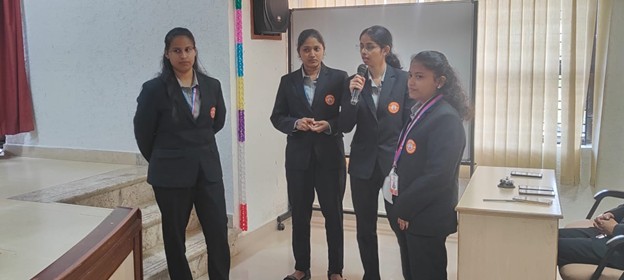
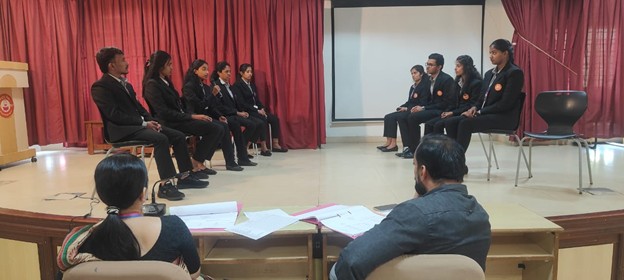
The Department of Management Studies organized the first debate session of Prajna Vaibhavam (PV) for the MBA Batch 2025–27, marking a vibrant continuation of the academic journey on Friday, 2nd January 2026. The session was conducted in the form of a Debate activity, with the objective of fostering analytical thinking, structured argumentation, effective communication, and confidence among first-year MBA students.
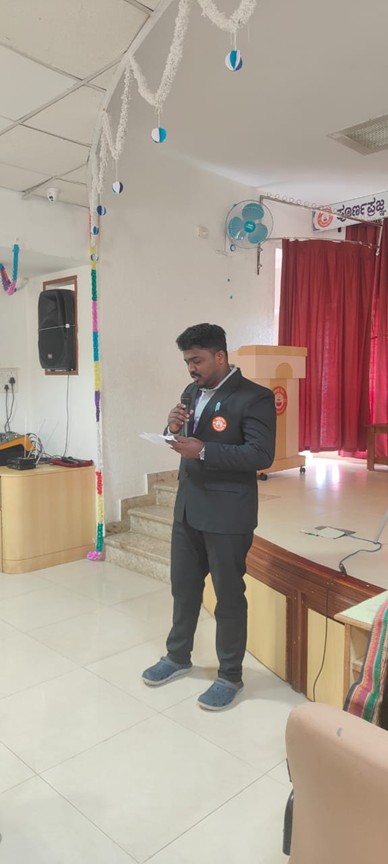
The event commenced with the Master of Ceremony, Ms. Sharanya Nayak (I MBA – Section A), who extended a warm welcome to the dignitaries including Dr. P. S. Aithal, Director, PIM; Prof. Shivanand Bhandarkar; Dr. Diana Saldanha (PV Coordinator); faculty members including Dr. Bharathi Karanth and Dr. Bharath V; non-teaching staff; and all the participants. The inspiring message encouraging students to break boundaries and pursue their aspirations set an energizing tone for the session.
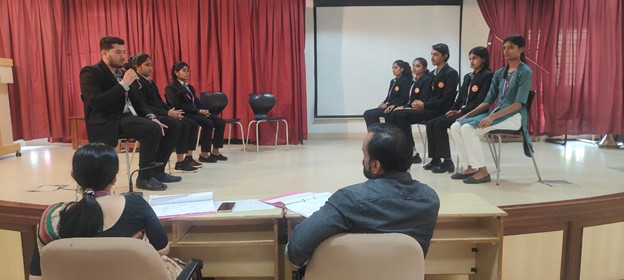
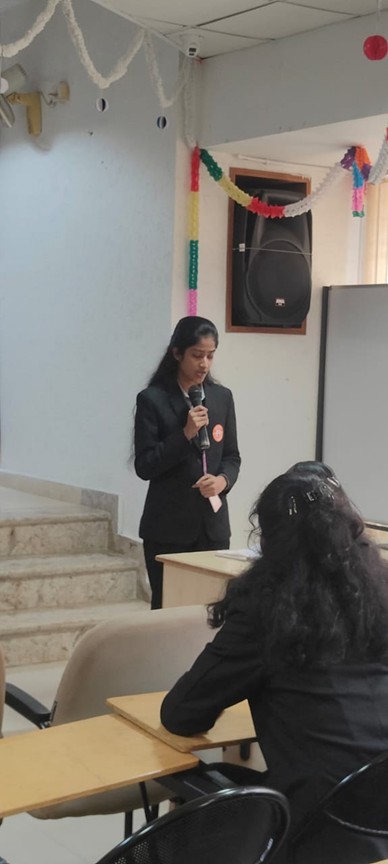
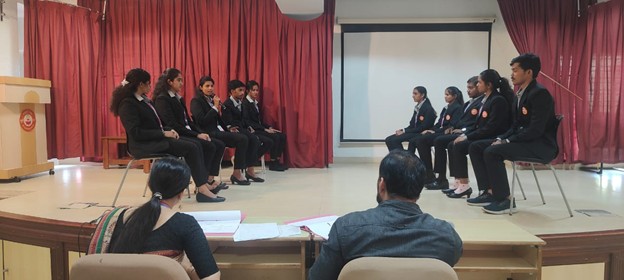
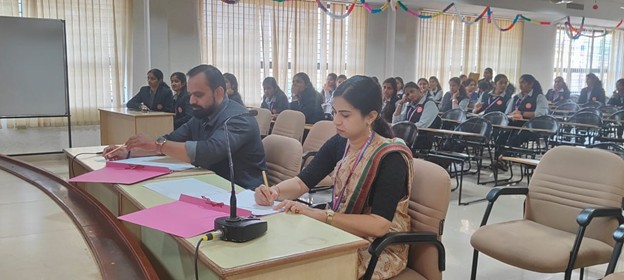
The formal welcome address was delivered by Ms. Riyana (I MBA – Section B), following which the programme moved into the main debate rounds. Ms. Pooja (I MBA – Section B) efficiently served as the timekeeper, clearly explaining the 10-minute debate format and the feedback process. The panel of judges for the session comprised Prof. Shivanand Bhandarkar and Dr. Diana Saldanha (PV Coordinator).
A total of eight groups actively participated, presenting well-reasoned arguments on contemporary and relevant topics:
Group A and Group I
Topic: “Ethical business is incompatible with extreme competition”.
The groups discussed how intense competition often pressures organizations to prioritize profits over ethical standards, leading to unfair practices such as exploitation and regulatory violations. At the same time, counterviews highlighted the possibility of balancing competitiveness with ethical responsibility.
Group B and Group L
Topic: “Is technology making us more connected or less human?”.
The debate explored how technology enables instant global connectivity while also raising concerns about reduced emotional depth, weakened interpersonal relationships, and growing social isolation due to overdependence on digital platforms
Group C and Group J
Topic: “Is India ready for a cashless economy?”.
Participants highlighted India’s progress through UPI and digital banking as signs of readiness, particularly in urban areas, while also addressing challenges such as digital illiteracy, infrastructural gaps, and cybersecurity concerns affecting nationwide adoption.
Group D and Group K
Topic: “Companies should exit countries that violate human rights”.
The discussion examined the ethical responsibility of corporations to disengage from human rights–violating regimes, balanced against concerns about employment loss and adverse economic impacts on local communities.
All groups demonstrated commendable preparation, teamwork, clarity of thought, and confidence in presenting their arguments. The judges provided constructive feedback, appreciating the students’ enthusiasm and encouraging continuous improvement in debating and critical thinking skills.
The session concluded with the Vote of Thanks delivered by Mr. Srujan (I MBA – Section A), who expressed gratitude to the Director, faculty members, judges, participants, and organizers for making the fifth session of Prajna Vaibhavam both meaningful and enriching.
The event, held at PV Hall, PIM, successfully achieved its objective of enhancing analytical thinking, communication skills, and confidence among first-year MBA students. It marked another strong milestone in the Prajna Vaibhavam initiative, setting a positive tone for the academic and professional development activities planned for the year.